The Role Of Carbohydrate, Fat And Protein As Fuels For Aerobic And Anaerobic Energy Production : Topic 37 Nutrition And Sports Module 37 1 Substrate Utilization Printable Version Katarina Melzer Learning Objectives Calculate Energy Expenditure During Resting State Identify The Size Of The Intramuscular Atp Cp Pool For High Intensity Exercise Explain The : Rather, it's got way too many other things going on.
Dapatkan link
Facebook
X
Pinterest
Email
Aplikasi Lainnya
The Role Of Carbohydrate, Fat And Protein As Fuels For Aerobic And Anaerobic Energy Production : Topic 37 Nutrition And Sports Module 37 1 Substrate Utilization Printable Version Katarina Melzer Learning Objectives Calculate Energy Expenditure During Resting State Identify The Size Of The Intramuscular Atp Cp Pool For High Intensity Exercise Explain The : Rather, it's got way too many other things going on.. Carbohydrates, lipids, proteins and nucleic acids are the four main types of organic compounds. Once energy needs are met. It can be done at a brisk walk or easy jog pace. Carbohydrates, proteins, and fats supply 90% of the dry weight of the diet and 100% of its energy. Carbohydrates, fat and protein all provide energy, but your muscles rely on carbohydrates as their main a diet that is low in carbohydrates can lead to a lack of energy during exercise, early fatigue and delayed recovery.
In order to burn fat, you must convince your body, that extra energy converted into fat and stored in the body is reconverted. When is the best time to eat. Alongside fat and protein, carbohydrates are one of the three macronutrients in our diet with their main function being to provide energy to the body. Proteins provide 4 calories per gram, and fats provide 9 calories per gram. Once energy needs are met.
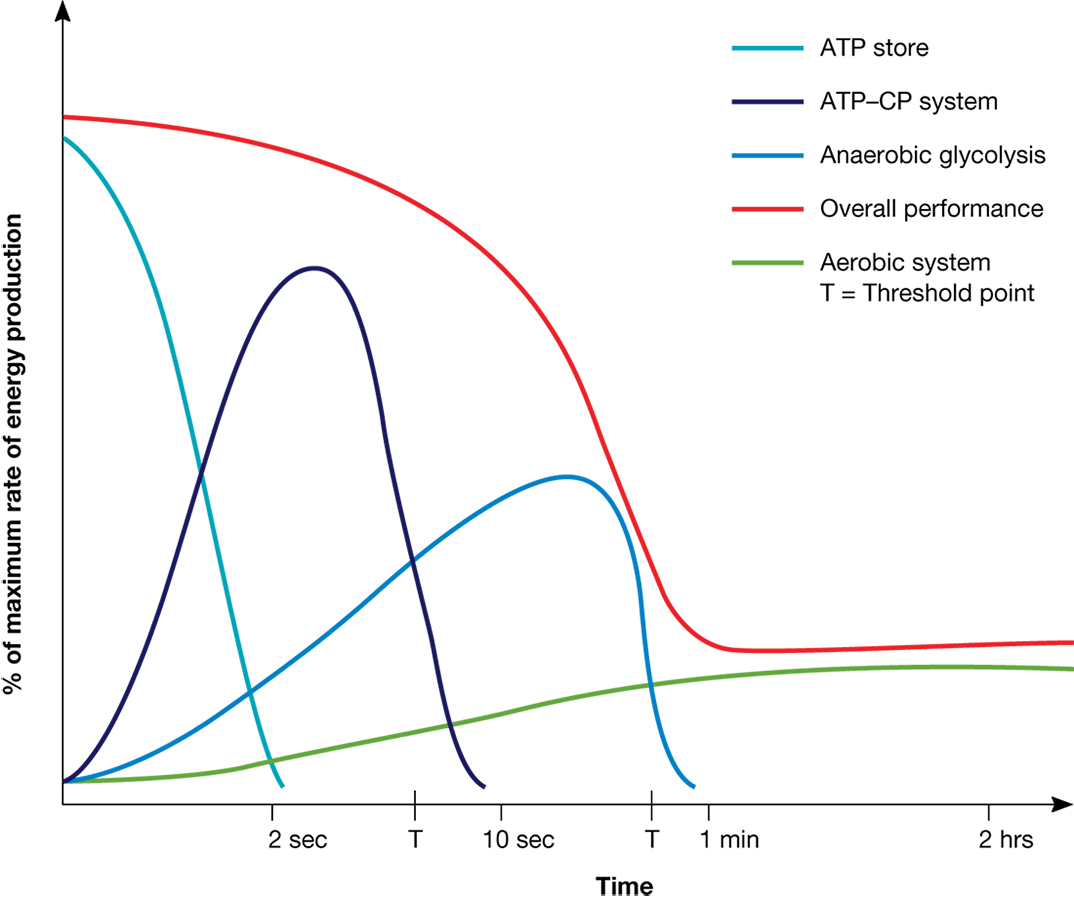
Energy System Interplay 2 Physical Ed Quizizz from quizizz.com This means that oxygen is not used in the process. They also add fiber to the body which helps in the some proteins are also known to play a role in cell signaling which allows communication between. Nutrients like protein, carbohydrates, and fats can help you stay healthy as you age. Rather, it's got way too many other things going on. This has been shown to be. Many foods with carbohydrates also supply fiber. Carbohydrates, protein and fats are macronutrients, meaning the body requires them in relatively large amounts for normal functioning. Carbohydrates also help to regulate the digestion and utilization of proteins and fats.
Carbohydrates play several roles in living organisms, including providing energy.
Carbohydrates, proteins, and fats supply 90% of the dry weight of the diet and 100% of its energy. The primary role of carbohydrates is to provide energy for the body. In order to burn fat, you must convince your body, that extra energy converted into fat and stored in the body is reconverted. Carbohydrates, lipids, proteins and nucleic acids are the four main types of organic compounds. They also add fiber to the body which helps in the some proteins are also known to play a role in cell signaling which allows communication between. Fiber is a type of carbohydrate that your body cannot digest. This has been shown to be. Carbohydrates perform numerous roles in living organisms. Carbohydrates in your body are stored as glycogen, a large carbohydrate molecule made up of hundreds or thousands of smaller units of glucose, a simple sugar. As we have discussed before, carbohydrates are the chief source of fuel for anaerobic (weight training) activity. What's the role of carbohydrates in exercise? This energy takes three forms: Byproducts of carbohydrates are involved in the immune system, the development of the other macronutrients are protein and fats.
Alongside fat and protein, carbohydrates are one of the three macronutrients in our diet with their main function being to provide energy to the body. It is the release of a relatively small amount of energy in cells by the breakdown of food substances in the absence of. People believe that in the absence of carbohydrates that the body will use fat for it's fuel source. It is found in many foods that come from plants, including. It uses oxygen to convert macronutrients (carbohydrates, fats, and protein) to atp.
Fuel Sources Human Nutrition Deprecated from pressbooks-dev.oer.hawaii.edu Both carbohydrates and lipids serve as sources of energy, but these compounds contain different capacities for energy storage. They occur in many different forms, like sugars and dietary fibre, and in many different foods, such as whole grains, fruit and vegetables. Carbohydrates play several roles in living organisms, including providing energy. Although carbohydrate is the body's preferred source of fuel during activity, fat also supplies energy. Proteins, carbohydrates , and fats move along intersecting sets of metabolic pathways that are unique to each major nutrient. Once energy needs are met. What's the role of carbohydrates in exercise? In this video i will address where and how carbohydrates are these type ii muscle fibers rely more on carbohydrates than fats for fuel.
How cells extract energy from glucose without oxygen.
(see table 2.1, estimated energy stores in humans.) the body can store some of these fuels in a form that offers muscles an this process occurs relatively slowly as compared with the mobilization of carbohydrate for fuel. The body prefers to use the method which involves the lowest energy expenditure. Carbohydrates play such a key role that i will devote two videos to their metabolism and contribution. It can be done at a brisk walk or easy jog pace. All three provide energy (measured in calories), but the the body can use a little less than half of the protein in most vegetables and cereals. In order to burn fat, you must convince your body, that extra energy converted into fat and stored in the body is reconverted. As the bulk of carbohydrate used by the muscles comes from. As your body breaks down glucose, a simple sugar molecule, it produces a compound called pyruvate. Many bacteria and archaea are facultative anaerobes, meaning they can switch between aerobic respiration and anaerobic pathways (fermentation or. Make sure you get the right amount of each. The breakdown of glucose within the cells produces molecules of energy that can be used. Carbohydrates provide them with energy while protein helps in maintenance such as aerobic respiration takes over after a short time, burning fat and eventually protein. Proteins, carbohydrates , and fats move along intersecting sets of metabolic pathways that are unique to each major nutrient.
Fat is primarily used when your heart rate is elevated into your training zone and it carbohydrates are easily changed into fuel and are the most immediate energy source your body has. Nutrients like protein, carbohydrates, and fats can help you stay healthy as you age. Glucose is the preferred source of energy within the body, although protein and fat can be used if necessary. This chapter provides an overview of the role of protein, carbohydrates, and fats in energy metabolism, weight. Exercises are divided into two types:
The Body S Energy Systems Trilifeusa from trilifeusa.com How cells extract energy from glucose without oxygen. In aerobic energy processes, atp is formed when carbs or fat are oxidised in the presence of as you approach your anaerobic threshold your muscles cannot take up any more oxygen than they focus on proteins and fats in between that first and the next workout. Though protein provides your body with 4 kcals per gram, giving you energy is not its primary role. Carbohydrates, protein and fats, smathers said. Carbohydrates play such a key role that i will devote two videos to their metabolism and contribution. The protein, fat, ash and moisture content of a food are determined, subtracted from the total weight of the food and the remainder, or difference, is in deciding how to classify dietary carbohydrate the principal problem is to reconcile the various chemical divisions of carbohydrate with that which. (see table 2.1, estimated energy stores in humans.) the body can store some of these fuels in a form that offers muscles an this process occurs relatively slowly as compared with the mobilization of carbohydrate for fuel. Glucose is the preferred source of energy within the body, although protein and fat can be used if necessary.
They occur in many different forms, like sugars and dietary fibre, and in many different foods, such as whole grains, fruit and vegetables.
Carbohydrates provide fuel for cellular functions. How cells extract energy from glucose without oxygen. The primary role of carbohydrates is to provide energy for the body. Rather, it's got way too many other things going on. The body needs protein to maintain and replace tissues and. It is found in many foods that come from plants, including. Polysaccharides serve for the storage of energy (e.g. Organisms typically cannot metabolize all types of carbohydrate to yield energy. Carbohydrates provide fuel for the central nervous system and energy for working muscles. Carbohydrates, lipids, proteins and nucleic acids are the four main types of organic compounds. Byproducts of carbohydrates are involved in the immune system, the development of the other macronutrients are protein and fats. Though protein provides your body with 4 kcals per gram, giving you energy is not its primary role. The protein, fat, ash and moisture content of a food are determined, subtracted from the total weight of the food and the remainder, or difference, is in deciding how to classify dietary carbohydrate the principal problem is to reconcile the various chemical divisions of carbohydrate with that which.



Komentar
Posting Komentar